
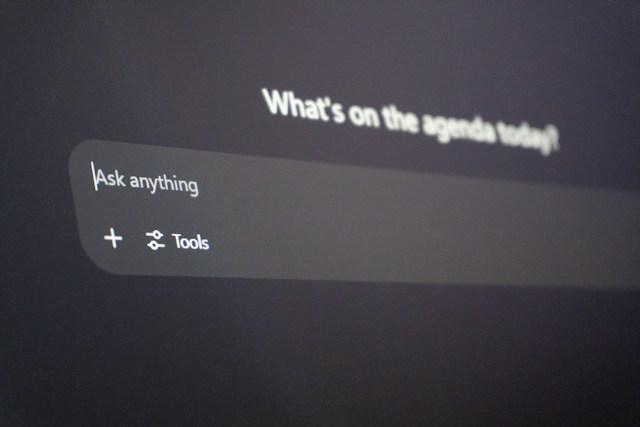
Your next customer may never see your website first. They open ChatGPT, type “best project management tool for a small agency,” and read a short list. If your product is not on that list, you lost the deal before it even started.
That is why AI SaaS SEO matters so much right now. People ask me all the time if SEO is dead because of AI. It is not dead. It is changing shape. Google rankings still bring traffic, but AI answers now decide which brands buyers trust first. In 2027, the SaaS companies that win will be the ones that show up in both places.
What Is AI SaaS SEO?
AI SaaS SEO is the work of helping a software brand rank in Google and also get named or cited by AI search tools like ChatGPT, Perplexity, Gemini and Google AI Overviews.
Classic SaaS SEO was about keywords, backlinks and blog traffic. That still counts. But AI tools don’t read your page the way a person does. They break it into entities (your brand, your product, your category, your features) and look for clear facts they can trust and repeat. So your job now has two parts. Rank the page. Then make the page easy for a machine to quote.
You will also hear two other terms. GEO, or generative engine optimization, is about showing up in AI-written answers. AEO, or answer engine optimization, is about winning direct answers like featured snippets and voice results. Think of them as layers on top of SEO, not replacements for it.
Why AI SaaS SEO Is the Next Big Thing in 2027

Buyers used to search, open five tabs and compare. Now many of them ask one question and get a shortlist in seconds, like I found Feet Inches Calculator Saas tool while doing research for this post. Google AI Mode and AI Overviews do the same thing inside Google itself. The research stage moved. Your content has to move with it.
Zero-click search keeps growing
More searches now end without a click, because the answer sits right on the results page. For a SaaS blog that lived on top-of-funnel traffic, this hurts. Your traffic can drop even when your rankings stay the same. I have seen this in client reports again and again: same positions, fewer visits.
SaaS buyers trust AI shortlists
B2B software is a research-heavy purchase. Buyers ask things like “Notion vs ClickUp for a remote team” or “best CRM for a startup with 20 people.” These are exactly the questions AI tools love to answer. If a model has never seen your brand in a trusted source, it simply leaves you out.
Early movers build citation authority
AI citations work a bit like backlinks did fifteen years ago. Brands that get mentioned early get mentioned more, because the models keep finding them in good sources. Start in 2026 and you walk into 2027 with a lead. Wait, and you will likely pay for that visibility with ads.
SEO vs GEO vs AEO: What’s the Difference?
| SEO | AEO | GEO | |
|---|---|---|---|
| Main goal | Rank pages in Google | Give the direct answer | Get cited in AI answers |
| Where it shows | Search results | Featured snippets, AI Overviews, voice | ChatGPT, Perplexity, Gemini, AI Mode |
| What you measure | Rankings and clicks | Snippets and answer impressions | Mentions, citations, AI visibility score |
| Main tactic | Keywords, links, technical health | Clear Q&A format, schema | Entity clarity, original data, brand mentions |
You don’t have to pick one. A strong SaaS page today does all three at once.
Traditional SaaS SEO vs AI SaaS SEO
The old SaaS SEO playbook was simple. Target a keyword, write a long post, build links, watch traffic.
The AI SaaS SEO playbook looks different. You plan around topics and entities, not single keywords. You track citations and brand mentions next to rankings. You care less about how much you publish and more about depth, original data and how clear each page is. And you judge success by pipeline, not page views.
Honestly, the teams I see struggling are the ones still running a content calendar from 2021. Forty generic posts a month will not get you cited. Ten sharp pages often will.
Your 2027 AI SaaS SEO Strategy in 7 Steps
1. Check your AI visibility first
Write down 20 to 30 prompts your buyers would actually type, like “best invoicing software for freelancers.” Run them in ChatGPT, Perplexity, Gemini and Google AI Mode. Note who gets mentioned, who gets linked, and where you are missing. That is your AI visibility audit. It takes one afternoon.
2. Make your brand a clear entity
AI models need to understand who you are without guessing. Use the same one-line product description on your site, LinkedIn, G2, Crunchbase and press pages. Add structured data such as Organization, SoftwareApplication and FAQ schema. Then connect your brand to your category in plain words: “X is a payroll tool for small US businesses.” That one sentence does more for entity SEO than any clever tagline.
3. Write answer-first content
Put the answer at the top, then explain. Use question-style headings that match search intent, short paragraphs and simple tables. A clear 40-word definition under a heading is exactly what AI Overviews and ChatGPT lift into their answers. If a reader has to scroll three screens to find the answer, so does the model.
4. Publish data no one else has
AI tools repeat facts. If everyone says the same thing, there is nothing new to cite you for. Use your own product data, customer surveys or benchmarks. Even a small study, like how 300 of your users price their services, gives LLMs and journalists a unique fact to point back to.
5. Own the buying-stage pages
These are your money pages: “X vs Y,” “X alternatives,” “best X for Y,” integrations and use cases. They match the prompts buyers type when they are ready to choose. Programmatic SEO can help, for example one page per integration, but only if every page has real detail. Thin template pages hurt more than they help.
6. Earn mentions where AI looks
LLMs learn from the open web and lean on sources they trust. Reddit threads, G2 and Capterra reviews, YouTube videos, industry roundups and podcasts all count. Ask happy customers for reviews. Join real discussions in your niche. Pitch your original data to writers. Every honest mention adds to your brand authority.
7. Make your site easy for AI crawlers
Check your robots.txt so you are not blocking AI crawlers like GPTBot, PerplexityBot or Google-Extended by accident. Render key content on the server, not only in JavaScript, and keep pages fast. You can also add an llms.txt file, a simple text file that points AI tools to your most important pages. It is still an early standard, so treat it as a small bonus, not a ranking fix.
One more habit: refresh your best pages every few months. AI tools favor content that looks current and correct.
How to Show Up in Each AI Platform
Google AI Overviews and AI Mode pull mostly from pages that already rank well, so classic SEO still matters most here. Clear answers and good schema help you get picked as a source.
ChatGPT search leans on web results plus well-known sources. Strong brand mentions and clean, quotable pages make a real difference.
Perplexity shows its sources openly and likes fresh, specific, well-organized pages. Comparison tables and original numbers do well.
AI SaaS SEO KPIs to Track in 2027
Keep your classic KPIs: organic traffic, keyword rankings, signups, demo requests and pipeline from organic. Then add these:
- AI visibility score: how often you appear for your target prompts
- Citation share: how often you get linked compared with competitors
- AI referral traffic: visits from chatgpt.com, perplexity.ai and similar sites in GA4
- Branded search: more people searching your name after seeing it in AI answers
Branded search is the one I watch most closely. When it climbs, your AI work is landing.
Best SaaS AI Tools for SEO in 2027
You don’t need ten tools. Here are five worth knowing, starting with a site that shows what AI-ready looks like.
Semrush
Semrush is a full SEO suite for keyword research, site audits and competitor tracking. It has added AI visibility features that show how your brand appears in AI answers. A good pick if you want one platform for most of your work.
Ahrefs
Ahrefs is known for its backlink data and keyword research. Its Brand Radar tool tracks brand mentions across AI answers, so you can see your share of voice against competitors.
Surfer SEO
Surfer helps you write and update content that covers a topic fully. It uses NLP to suggest related terms and entities, which helps your pages match search intent and makes them easier for AI tools to read.
Profound
Profound is built for GEO. It tracks how ChatGPT, Perplexity, Google AI Overviews and other answer engines talk about your brand, and which sources they cite.
Check current features and pricing before you choose. These tools change fast.
Common AI SaaS SEO Mistakes to Avoid
The biggest one is mass-publishing thin AI content. It is cheap, and it shows. AI models skip it, and Google’s ranking systems do too.
Other mistakes come up in almost every audit I run: no comparison pages, AI crawlers blocked by accident, five different product descriptions across the web, and reports that track rankings but ignore citations.
The Future of SEO for SaaS
Here is where I think this goes next. AI agents will start to research and shortlist software for buyers, sometimes before a human reads a single page. Ads will show up inside AI answers. And SEO teams will work much closer with content, PR and product marketing, because AI visibility needs all of them.
SEO is not dead. It just stopped being only about ten blue links.
FAQs
Is SEO dead because of AI?
No. AI tools still use search indexes and trusted web pages to build their answers. SEO is changing, not ending.
What is the difference between GEO and SEO?
SEO helps your pages rank in search results. GEO helps your brand get cited inside AI-written answers. You need both.
How do I get my SaaS cited by ChatGPT?
Make your brand a clear entity, publish answer-first pages and original data, and earn mentions on trusted sites like G2, Reddit and industry blogs.
How much does SaaS SEO cost in the USA?
It varies a lot by company size, market and scope. Get quotes from two or three SaaS SEO agencies and ask each one how they will track AI visibility, not just rankings.
Start Before Your Competitors Do
You don’t need a big team to begin. Run your AI visibility audit this week. Fix your brand description everywhere it lives. Pick your five most important buying-stage pages and make them answer-first. That alone puts you ahead of most SaaS brands heading into 2027.
Your buyers are already asking AI. Make sure your name is in the answer.